
What Makes a Good Life Insurance Lead? A Guide for UK Advisers
A good life insurance lead gives you the
information, accuracy and context you need
to start a relevant conversation.
Buying life insurance leads is easy.
Buying leads that are worth spending time calling is a different matter.
So, what makes a good life insurance lead?
The quality of a life insurance lead depends on much more than having a name and telephone number. How the information was collected, how recently the person was contacted, what was discussed with them and the information provided with the lead all make a difference.
For financial advisers and protection specialists, understanding these differences helps you choose the right leads and set realistic expectations before you start calling.
In this guide, we look at what makes a good life insurance lead, what information you should expect to receive and the factors that are likely to affect the results you get from them.
What Is a Good Life Insurance Lead?
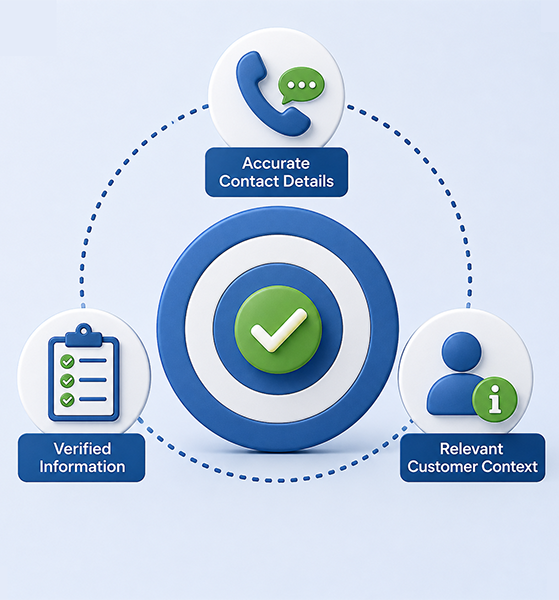
A good life insurance lead gives an adviser enough relevant information to have a meaningful conversation with a potential customer.
At a minimum, the contact details should be accurate and the person should fit the type of customer you want to speak to. Better leads will also include useful information about their current circumstances, such as whether they already have life insurance, who their existing provider is and roughly how much they pay.
The way the lead was generated matters too. Someone who has provided information during a telephone conversation is different from someone who has entered basic details into an online form. Telephone validation gives the lead provider an opportunity to check information, ask additional questions and confirm the person behind the data.
No lead guarantees a sale. A good lead gives your adviser accurate information and a genuine reason to start a conversation. What happens from there depends on your approach, follow-up and ability to turn the initial contact into an opportunity.
What Information Should a Life Insurance Lead Include?
The information supplied with a life insurance lead should help you understand who you are calling before you pick up the phone.
Basic contact information will normally include the person’s name, telephone number and other relevant personal details. Depending on how the lead was generated, you might also receive information about their existing life insurance arrangements.
Useful information might include:
-
- Whether they currently have life insurance
- Their existing life insurance provider
- How much they currently pay for cover
- When the information was collected
- Relevant demographic information collected during the conversation
This extra information gives an adviser somewhere to start. Knowing that someone already has life insurance, for example, opens the door to a conversation about whether their existing cover still meets their needs.
More information does not automatically mean a better lead. The information needs to be accurate, relevant and recent enough to be useful. A smaller amount of reliable information is worth more than a long list of details that are outdated or poorly collected.
Why Telephone Validation Matters
Telephone validation adds an extra level of checking before a life insurance lead reaches an adviser.
Rather than relying only on information entered into an online form, the consumer has spoken to a real person. During the conversation, key details are checked and additional questions about their current life insurance arrangements are asked.
This matters because online forms are easy to complete with incorrect or incomplete information. People mistype telephone numbers, skip questions or enter details without giving much thought to what happens next.
A telephone conversation gives the person collecting the information an opportunity to confirm key details and identify inconsistencies.
For an adviser, this provides more context before making contact. You know more about the person you are calling and have information to help start the conversation.
Telephone validation does not mean every person will buy life insurance or agree to an appointment. It simply gives advisers better information to work with and reduces some of the uncertainty involved in contacting a new lead.
How Freshness Affects Life Insurance Lead Quality
The age of a life insurance lead matters, but newer does not always mean better.
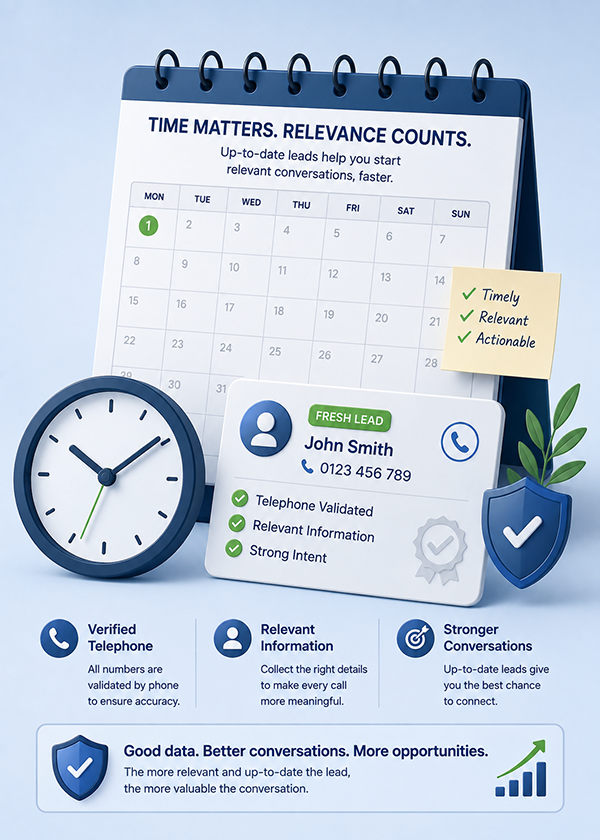
A fresh lead gives you the opportunity to contact someone soon after their information has been collected. Their circumstances are less likely to have changed, and the conversation that generated the lead should still be recent.
As a lead gets older, some details might change. The person might change their telephone number, take out new cover or simply have different priorities.
This does not make an older lead worthless. Aged life insurance leads are usually cheaper, which allows advisers to work with a larger volume of data for the same budget. They can work particularly well for businesses with an established telephone sales and follow-up process.
The important point is knowing what you are buying. Ask when the data was collected and make sure the price reflects its age.
For some advisers, a smaller number of fresh leads will make sense. Others prefer the economics of aged leads. Some use a mixture of both.
We look at these differences in more detail in our guide to fresh vs aged life insurance leads.
What Makes a Life Insurance Lead Easier to Work With?
Even when the information is accurate, some life insurance leads will be easier to work with than others.
One of the biggest differences is context. Calling someone with only a name and telephone number leaves the adviser with little to work from. Knowing more about their existing life insurance gives the conversation a clearer starting point.
For example, knowing their current provider and approximate monthly premium allows an adviser to ask relevant questions about their existing cover rather than starting with a completely cold conversation.
Good lead management also makes a difference. Advisers should know when the lead was generated, what information was collected and why the consumer was contacted in the first place.
You should also have a clear follow-up process. Someone who does not answer the first call is not necessarily a bad lead. People are busy, calls get missed and unfamiliar numbers are often ignored.
The easier leads are therefore not always the ones that answer immediately. They are the ones where you have enough reliable information to make a relevant approach and a sensible reason to keep trying.

Why Even Good Life Insurance Leads Take Work
No life insurance lead supplier should expect every lead to turn into a sale.
A lead gives you an opportunity to speak to a potential customer. From that point, several factors affect the outcome, including how quickly you make contact, how many times you follow up and how your adviser handles the conversation.
Timing also matters. Someone might be happy to discuss their life insurance but not be ready to make a decision on the first call. Others might already have suitable cover or decide that changing their policy is not right for them.
This is why judging lead quality purely by immediate sales can give you the wrong picture. Contact rates, conversations, appointments and follow-ups also help show whether the leads are working for your business.
Your own sales process plays a major part too. Two advisers working exactly the same life insurance leads can produce different results.
Good leads provide the opportunity. Turning those opportunities into business still comes down to what happens after you receive them.
How to Choose Life Insurance Leads for Your Business
The right life insurance leads depend on how your business works, your budget and the type of customers you want to speak to.
Before buying leads, find out how they were generated, when the information was collected and what details you will receive. You should also understand whether the leads are fresh or aged and whether they have been telephone validated.
Ask the supplier about:
-
- How the leads are generated
- What information is collected
- Whether the data is telephone validated
- How old the leads are
- Whether the leads are exclusive or supplied to other businesses
- How invalid or incorrect contact details are handled
- What compliance information is available
Price matters, but cost per lead should not be your only consideration. A cheaper lead that gives your advisers little useful information might end up costing more in wasted calling time.
Start with a manageable quantity and measure the results. Look at contact rates, conversations, appointments and sales. This gives you a clearer picture of whether a particular type of life insurance lead works for your business before committing to larger volumes.
What is a life insurance lead?
A life insurance lead is the contact information of a consumer who has been identified as a potential customer for life insurance or related protection products. The information supplied will depend on how the lead was generated and the questions asked during the collection process.
Are telephone-validated life insurance leads better?
Telephone validation provides an extra level of checking because information is confirmed during a conversation with the consumer. It also allows additional information about existing life insurance arrangements to be collected.
Are fresh life insurance leads better than aged leads?
Not necessarily. Fresh leads contain more recently collected information, while aged leads usually cost less and allow advisers to work with greater volumes. The right choice depends on your budget, sales process and follow-up strategy.
Do life insurance leads guarantee sales?
No. A life insurance lead provides an opportunity to start a conversation. Contact rates, adviser performance, follow-up, pricing and the consumer’s circumstances all affect whether a lead eventually becomes a customer.
What should I check before buying life insurance leads?
Ask how the leads were generated, when the data was collected, what information is included and whether the data has been telephone validated. You should also understand how the supplier deals with incorrect contact information and what compliance information is available.
Looking for Life Insurance Leads?
A good life insurance lead should give your advisers accurate contact information, useful context and a clear starting point for a conversation.
At Axowa, we supply telephone-validated UK life insurance leads for financial advisers, protection specialists and businesses using telephone sales.
If you are looking to buy life insurance leads, Find out more about our UK life insurance leads, including how they are generated and the information supplied.

Contact us today!
We're here to answer all your questions and share our experience & knowledge.